

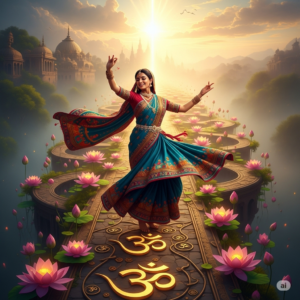
Currently, it seems difficult to have physical, mental, emotional, financial and spiritual wellness. We experience feelings of hopelessness, stress, anxiety, frustrations, anger, etc. and feel that we have lost control of our lives. For those who want to take back control and develop the ability to consciously govern your life, rather than being ruled by unconscious impulse, fear, social pressure, expectations or addictions – you can choose the Path of Sovereignty.
The core idea of sovereignty is knowing and living your values, setting boundaries and taking responsibility for your choices. When you choose the Path of Sovereignty you develop the capacity to direct your life with clarity and accountability to experience emotional, financial, intellectual, and physical independence; and, are less controlled by external validation. To co-create the life you desire and travel the path of sovereignty, you need to become less psychologically dependent on institutions or ideologies; and, seek your truth, trusting your own direct experience and reclaim agency over your mind, body and beliefs.
The path to sovereignty is usually developed gradually and requires, self-examination and discipline to accept and correct mistakes, and, letting go of dependency patterns to build competence and resilience. Sanatan Dharma provides the steps to sovereignty with the concepts of ‘sadhana’ [self discipline], ‘seva’ [selfless service], ‘satsang’ [spiritual gathering], ‘swadhaaya’ [self-examination], and ‘samarpan’ [surrender].
Sadhana or self discipline is your daily practice to connect with your inner truth. Sadhana can include any activity that helps you connect with your inner being – pooja, japa, walking or jogging on your mantra, listening to soulful music, meditation, etc. This self discipline activity should be daily and punctual [same time every day]. If you cannot be punctual, then at least do your sadhana daily. Your sadhana can be different activities each day but the goal is always ‘connecting to self’. Daily sadhana will lead to ‘smaran’ or remembrance that you are divine and there is divinity in everyone and everything. When we realize that there is divinity in all, we are better able to relate with active compassion to others in every situation.
Seva or selfless service purifies intention when done without attachment to praise or reward. It helps us to dissolve ego attachment, express devotion, strengthen and practice active compassion, and see the sacred in ordinary life. Seva can be any voluntary activity in community kitchens, temple, libraries, hospitals, etc.; mentorship, caring for elders, etc. It creates meaning and purpose, builds humility, improves mental well-being, develops discipline and character, creates community and trust and can become a spiritual practice. Seva is healthiest when balanced with boundaries and self-respect.
Satsang refers to gathering with people who are oriented toward spiritual inquiry, wisdom, ethical living, or inner growth. Satsang may include listening to teachings, meditation or prayer, singing devotional music or chants, discussing spiritual questions, spending time with a teacher or sincere practitioners, or silent contemplation in a supportive environment. Healthy satsangs tends to encourage independent thinking, humility, ethical conduct, and practical integration into life. As with seva, satsang can strengthen active compassion, improve mental well-being, develop discipline and character, create community and trust, and, become a spiritual practice.
Swadhaaya is your daily introspection and self reflection of how you lived your day to discover the truth of who you are beyond the roles you play in this drama of life. With regular sadhana, and swadhaaya, you discover your swadharma – your soul’s purpose for taking re-birth. Swadharma refers to the responsibilities, actions, and way of life that are aligned with your nature, your capacities, your stage of life, your conscience, and your deeper calling or role in society. Your swadharma may change during different stages of life; however, living in integrity and alignment with one’s deeper values remains constant. Swadharma is living from your inner truth rather than social conditioning and what is expected of you. It is your human responsibility to explore and discover your soul’s purpose on earth. When you are living your swadharma you are joyous, ecstatic and in the flow.
Samarpan or surrender is the wholehearted dedication of offering oneself fully to something higher — such as truth, God, duty, love, service, or a spiritual path. You are engaged fully in the world without the entanglement of obsessive attachment to success, praise, or the result of your actions. Samarpan is seen as a way to cultivate peace, trust, inner openness, devotion, and freedom from compulsive control. Samarpan results in greater clarity and strength because energy is no longer consumed by endless inner resistance as you accept the results of your actions. Samarpan is deep participation in life without the ego’s constant demand to control everything.
We know that freedom without self-mastery can become chaos. The “path to sovereignty” requires self-mastery to combine freedom with responsibility. Sadhana, Seva, Satsang, Swadhaaya, and Samarpan are the stepping stones on the Path to sovereignty. Sovereignty is not about independence, but about recognizing that we are all interconnected, and, we have the choice of how we relate with others and the environment. As we travel this path to sovereignty, we become a ‘Veera’ – a Fearless Peaceful Warrior living with full awareness of our responsibility of being trustees of Mother Earth and Her inhabitants.